
Walking the Line
Smack on the border of two Southern states, Bristol finds its singular voice
By Jennifer Oladipo
Bristol is actually two neighboring cities in Tennessee and Virginia. But they grew toward each other, unstoppable as kudzu, while a pivotal railroad hub fueled industrial growth. The two Bristols eventually merged at what is now the center of a historic downtown, in a city that holds something unexpected around almost any corner.
Today, you still have to stop for trains. And Bristol remains a place where edges continue to meet and merge. Chill, trendy rooftop bars float above old-fashioned eateries and jeans-and-T-shirt taprooms. A laid-back country lifestyle sits comfortably alongside raucous motor speedway merriment.
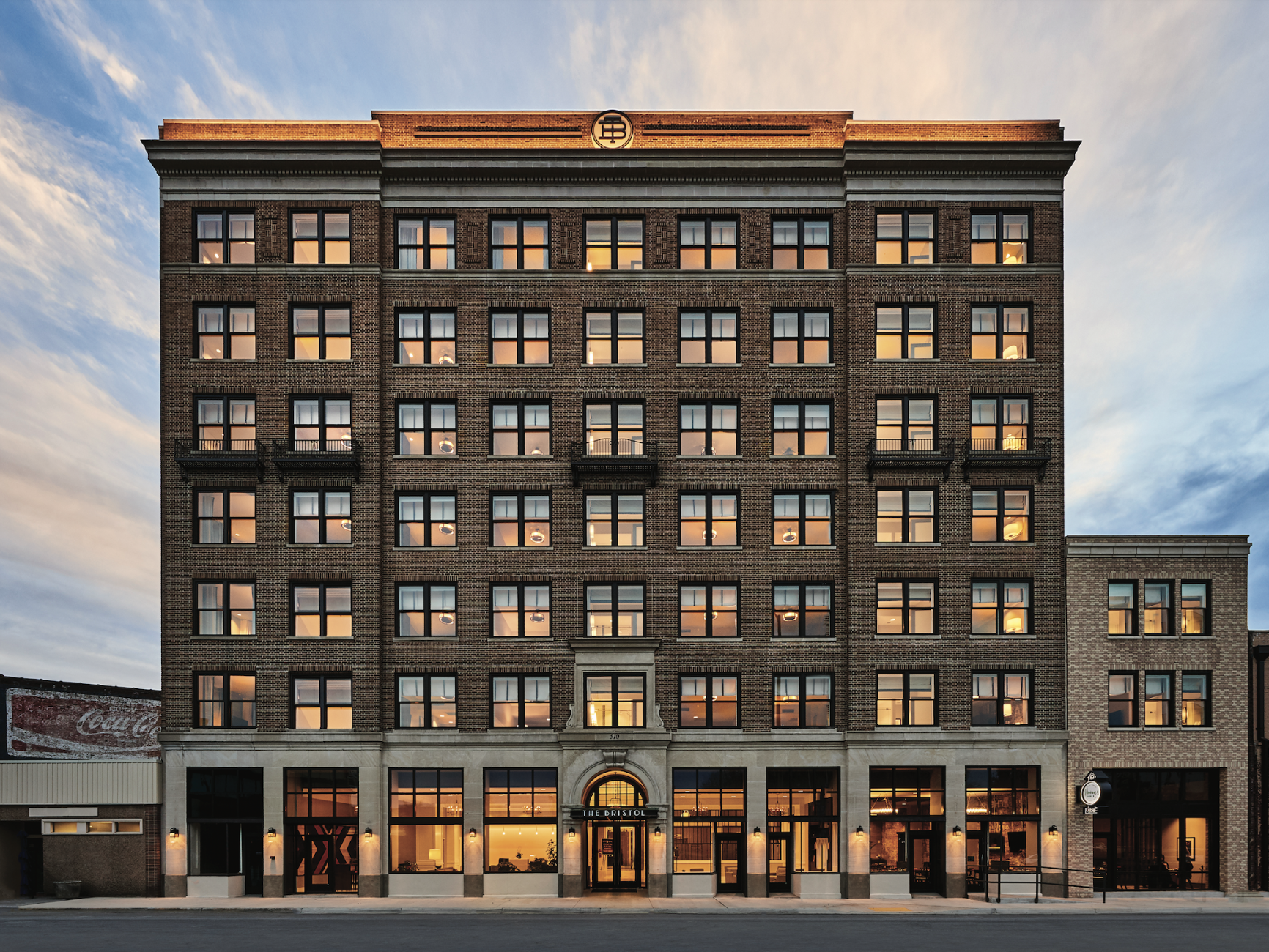
South Carolina developer Marcus McCall brought this 1925 Classical Revival-style building back to life as Bristol’s first boutique hotel in 2018. Today, The Bristol Hotel juxtaposes historic elements with modern comforts in its 65 rooms and suites; photography courtesy of The Bristol Hotel
It doesn’t take long to figure out that Bristol is a place where historical pride is an important catalyst for movement toward the future. The U.S. Congress dubbed Bristol the official “Birthplace of Country Music” in 1998, a heritage that remains integral to the culture and influential nationwide.
It’s celebrated every day at the Birthplace of Country Music Museum, where a robust collection and programming meet researchers, enthusiasts, and country music noobs wherever they’re at. There you can find out once and for all, what is the difference between country and Western?
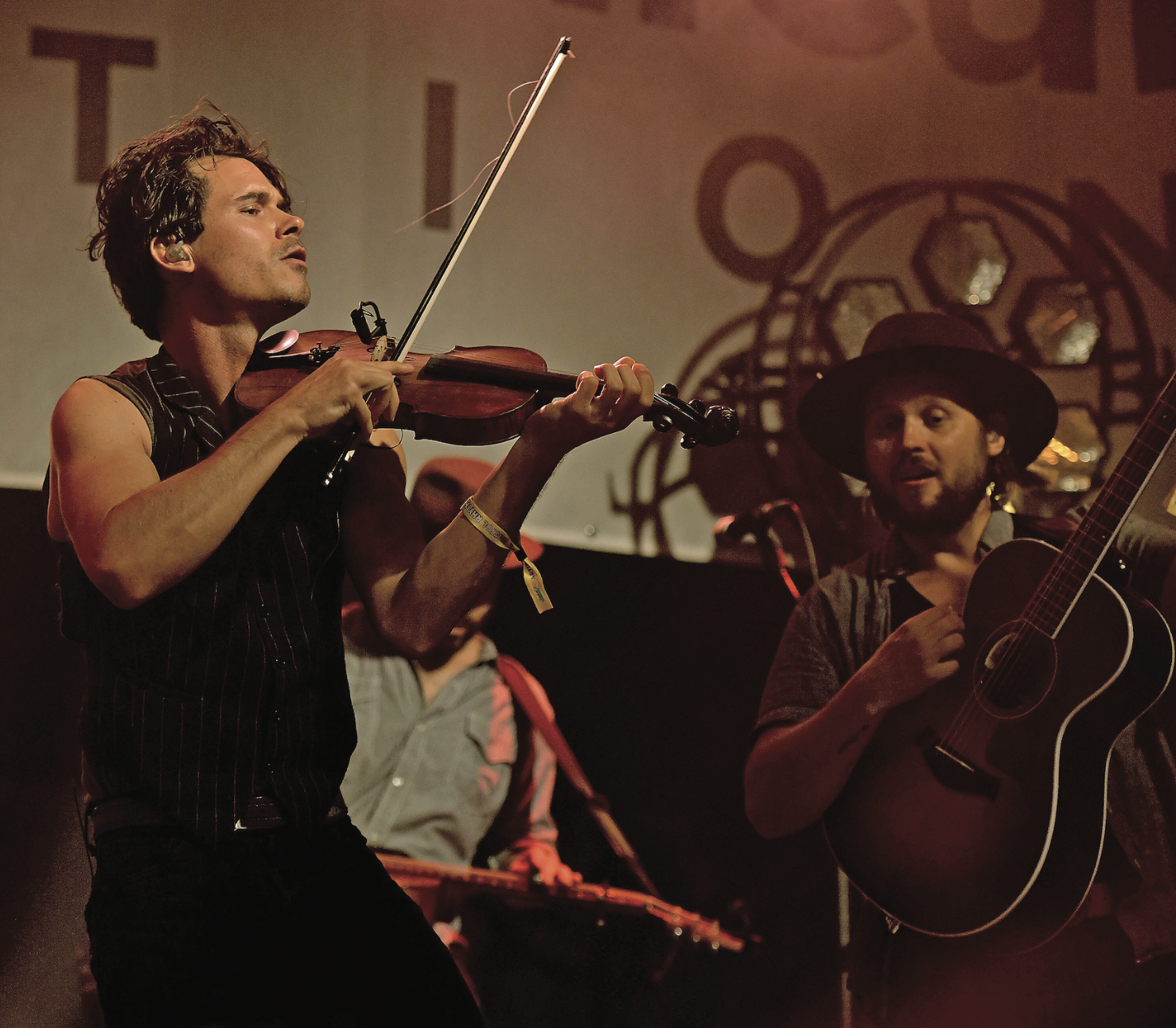
Every year since 2001, the Bristol Rhythm & Roots Reunion brings more than 100 live bands—such as Old Crow Medicine Show—to indoor and outdoor stages along State Street to commemorate the 1927 Bristol Sessions, the first recordings of country music; photography courtesy of The Birthplace of Country Music Museum
If you prefer a louder and more lively music experience, Bristol’s got you. Bring a guitar, fiddle, mandolin, or other traditional instrument to jump in on a monthly bluegrass jam, or just show up to clap along, free of charge. In the meantime, its museum broadcasts WBCM for those who need a country or bluegrass fix 24 hours a day. The annual Rhythm & Roots Reunion festival features music legends alongside young musicians dedicated to old-time sounds and genre-benders contributing to the ever-evolving soundscape.
Find more of Bristol’s cultural evolution on display over at HollerHouse, a professed haven for neo-Appalachian art and craft. It’s a dedicated space for local and regional creatives whose untraditional contemporary work is nonetheless rooted in generations-old connections to place.
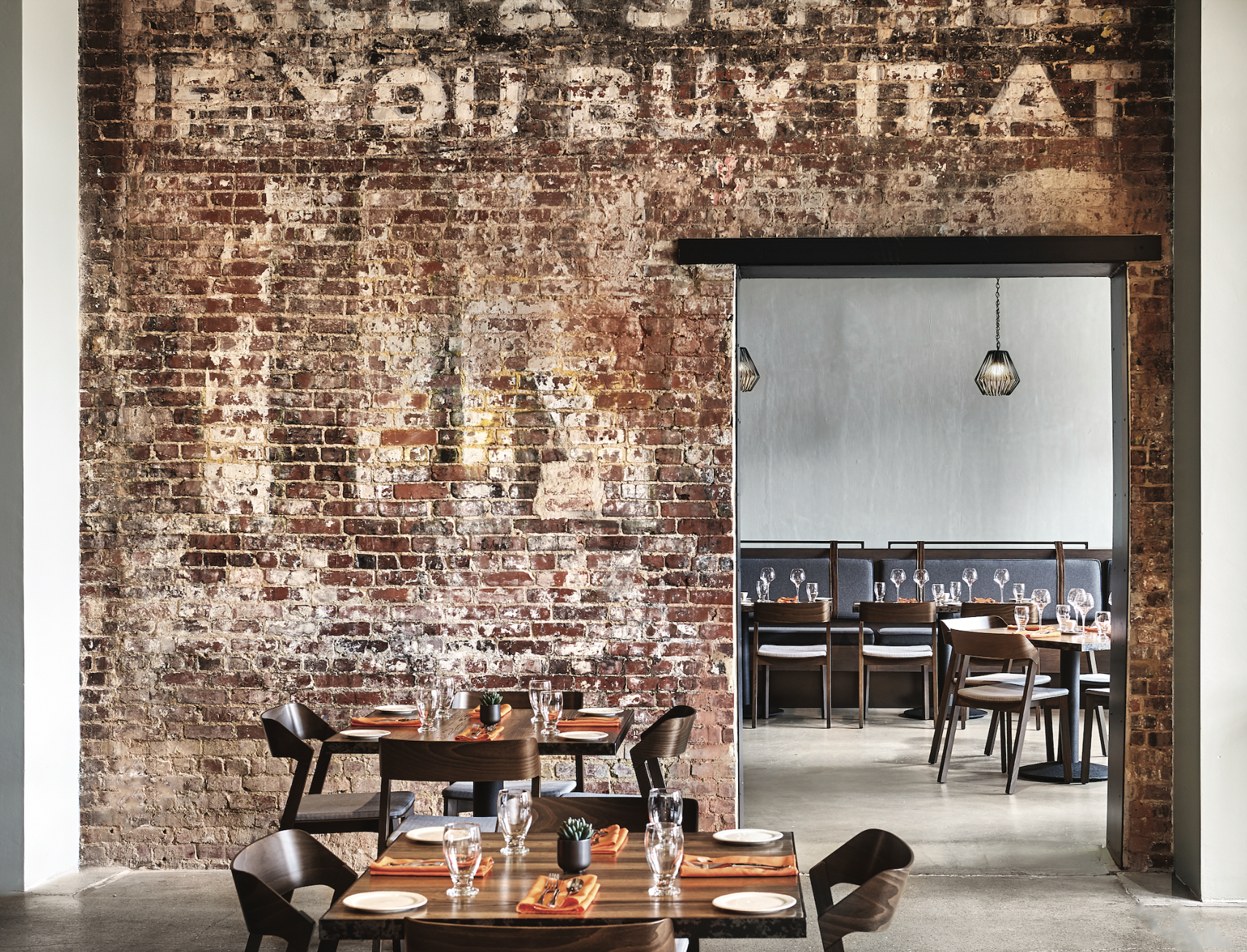
Dive into dinner at Vivian’s Table, the Bristol Hotel’s Appalachian-style chophouse. Vivian’s delectable dishes range from Prime ribeye to Country Cordon Bleu (biscuit fried chicken stuffed with pimiento cheese and country ham); photography courtesy of The Bristol Hotel
Splashes of creativity also spill into the streets, sometimes in less spectacular ways. For instance, those of us who would spend hours gawking at historic homes in all stages of restoration and resplendence are the lucky ones who will find a delightfully unfussy art garden tucked into a tiny residential lot.
Recently, Bristol’s historic landscape fueled creative visions during a collaboration with the World Design Studio (WDS), an international urban design and landscape architecture initiative. Dozens of graduate and undergraduate students in China, Egypt, and South Carolina researched the city before traveling to walk its streets and meet with community stakeholders. The aim was to foment fresh ideas and designs for how the town’s built future could address current needs and goals. Hala Nassar, the renowned landscape architecture expert who leads WDS and has worked on restoration plans for Egyptian pyramids, says she has never seen a place with such rich historical density as Bristol.
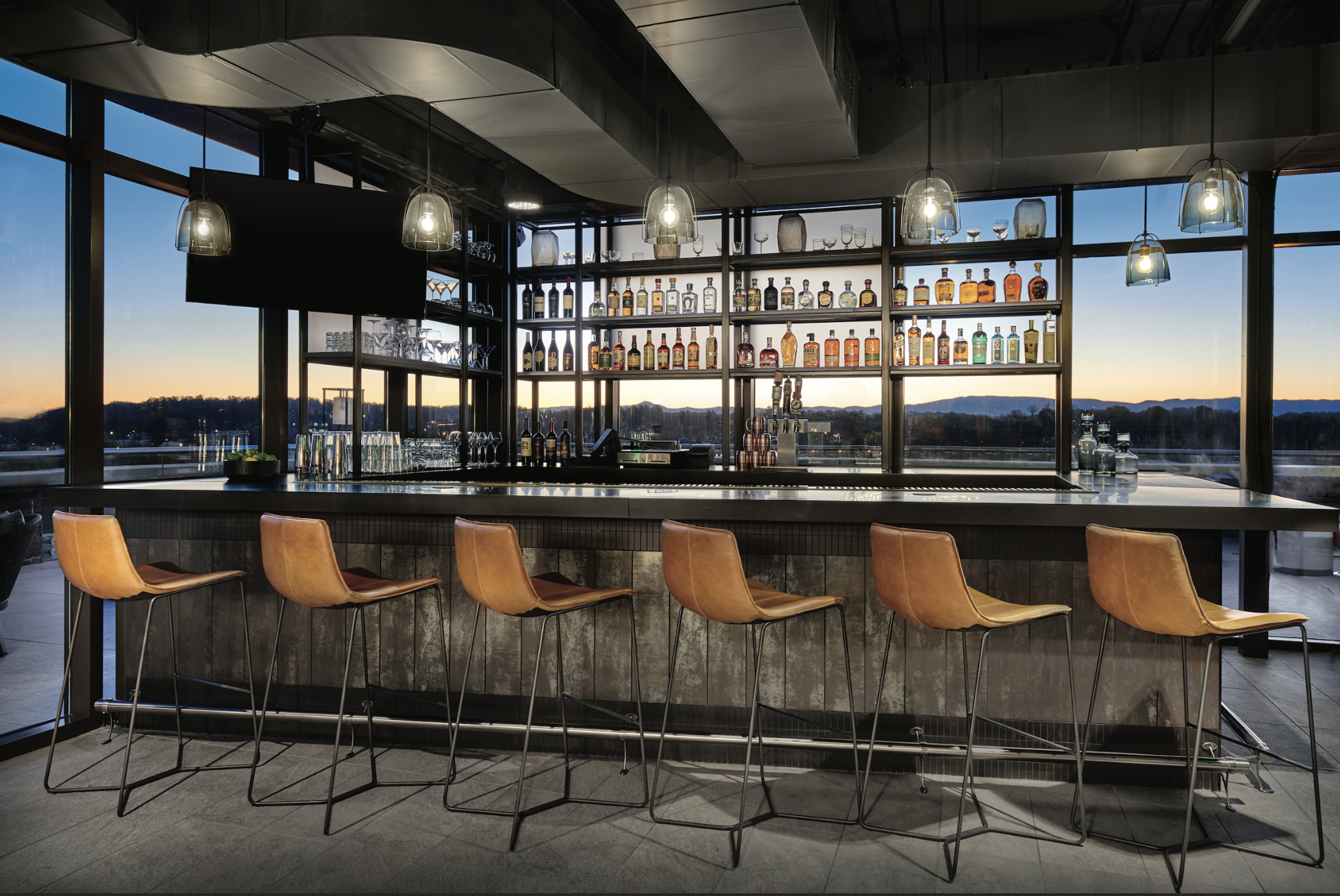
Bristol’s first rooftop bar, LUMAC crowns The Bristol Hotel, where it offers expertly crafted cocktails to pair with panoramic city and mountain views; photography courtesy of The Bristol Hotel
That’s because in Bristol, it still matters what mountain holler you hail from. And somehow, despite a seamless experience, you still get a sense of the city’s double origins. Even as a visitor shopping, dining, and enjoying various diversions along downtown’s central artery, State Street, you can tell which side of the state line you’re on. It’s a subtle reminder that there’s a lot to do in Bristol if you skim the surface, and plenty of reasons to stay and dig a little deeper. V
This story appears in our Fall 2025 issue.